Glass neon or LED? The differences, and how to choose
We call both “neon”, but they are two different products — made differently, lit differently, suited to different places. How to choose without regretting it.
Where the light comes from — two different technologies
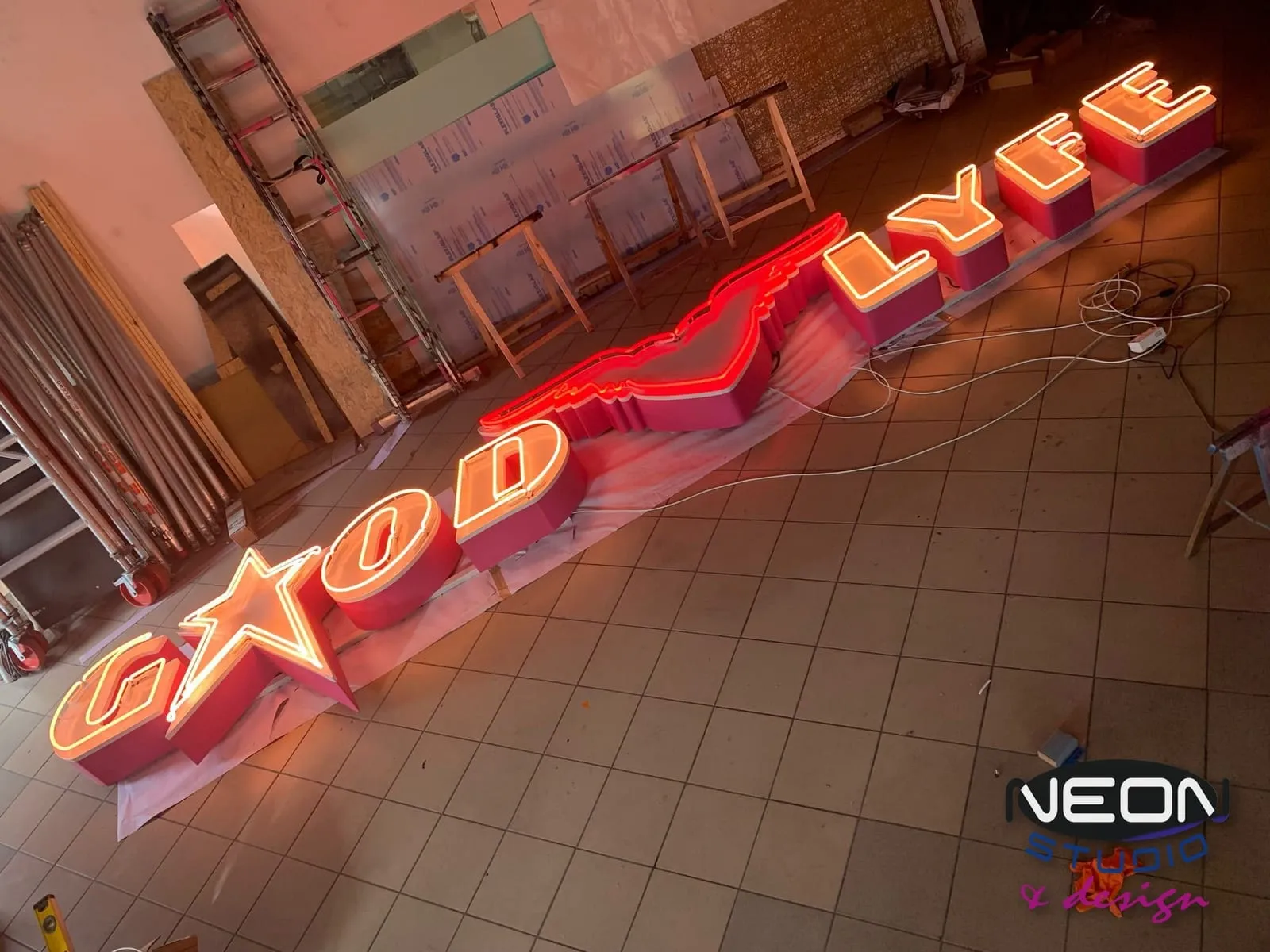
Glass neon is century-old technology, and that is the point of it. The glass tube is bent by hand over a burner and then filled with noble gas. Under voltage the gas begins to glow: the light is produced along the entire length of the tube, evenly, with no visible points.
LED neon is a flexible light strip in which the light comes from diodes hidden under a diffusing material. The strip is formed into letters or shapes, and the finished piece is made faster and more cheaply than in glass. It is not the same product, though — LED imitates the effect of traditional neon.
This difference in how the light is produced decides how the neon looks in person — and it is the thing you notice first.
A difference you can simply see
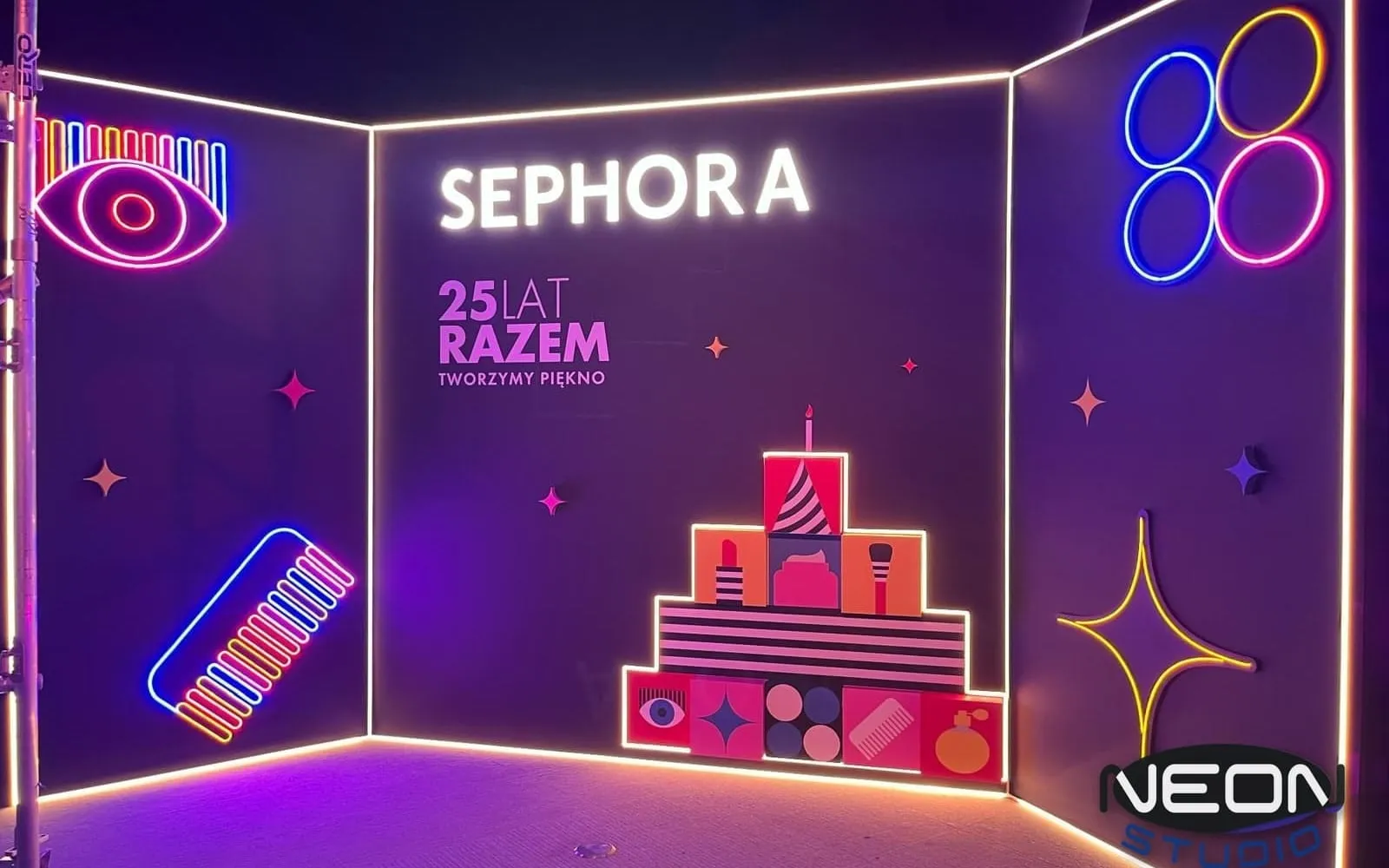
Glass neon gives a deep, vivid glow no other technology can match. It has that characteristic halo around the tube and the visible mark of hand work. It is a noble, original product — the way it looks is an argument in itself.
LED neon lights more flatly and evenly. The lettering is clean and legible, but it does not match glass aesthetically — it lacks the same depth and the same halo.
If the neon is meant to be the thing guests talk about and photograph, choose glass. If it simply needs to carry a name legibly indoors and the budget is limited, LED will do the job.
When to choose glass neon
We treat glass neon as an exclusive product, made individually for brands that value prestige, authenticity and longevity. It is the right choice when the sign itself is meant to build the image.
- —When prestige and originality matter — glass underlines the class and character of a brand.
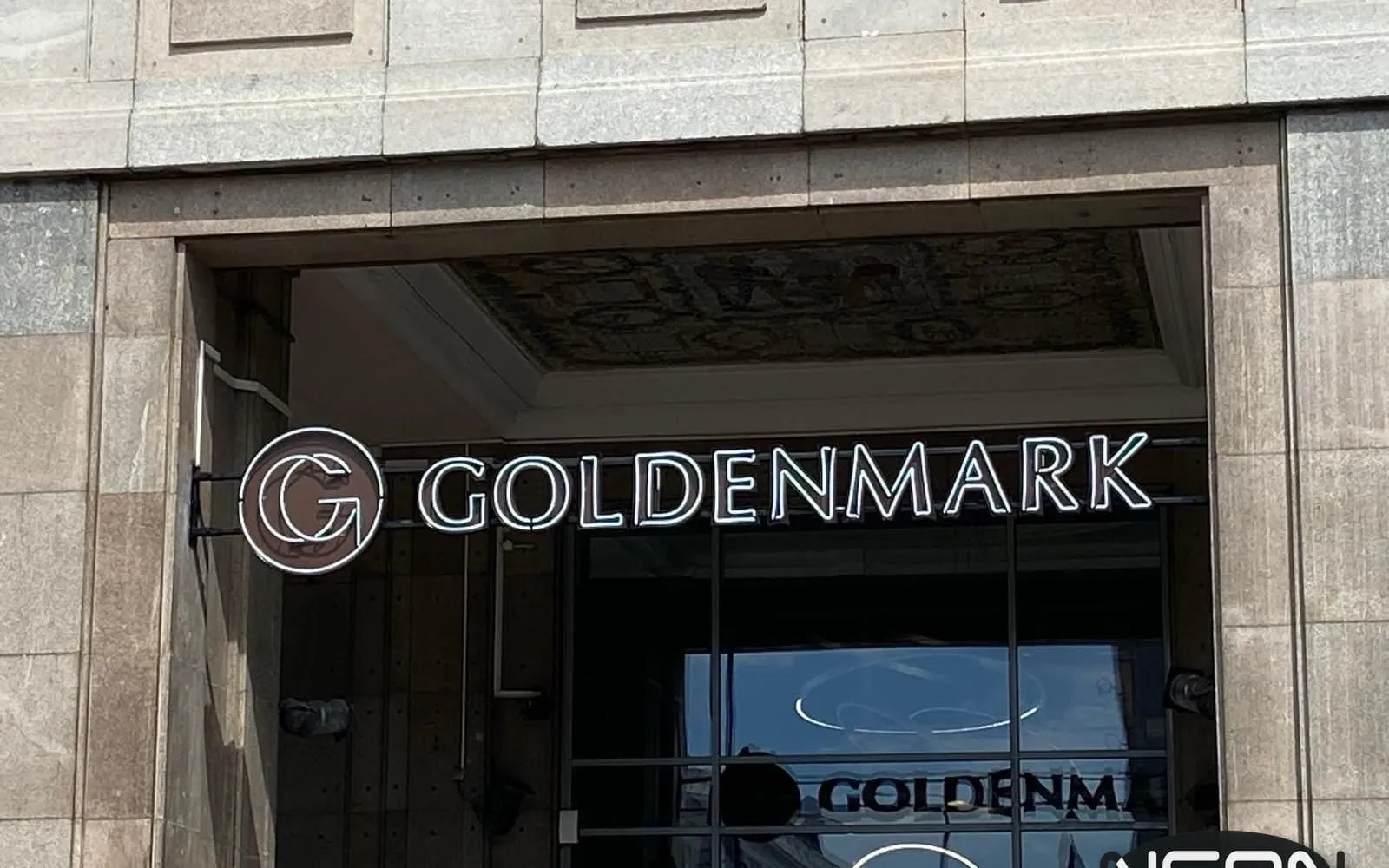
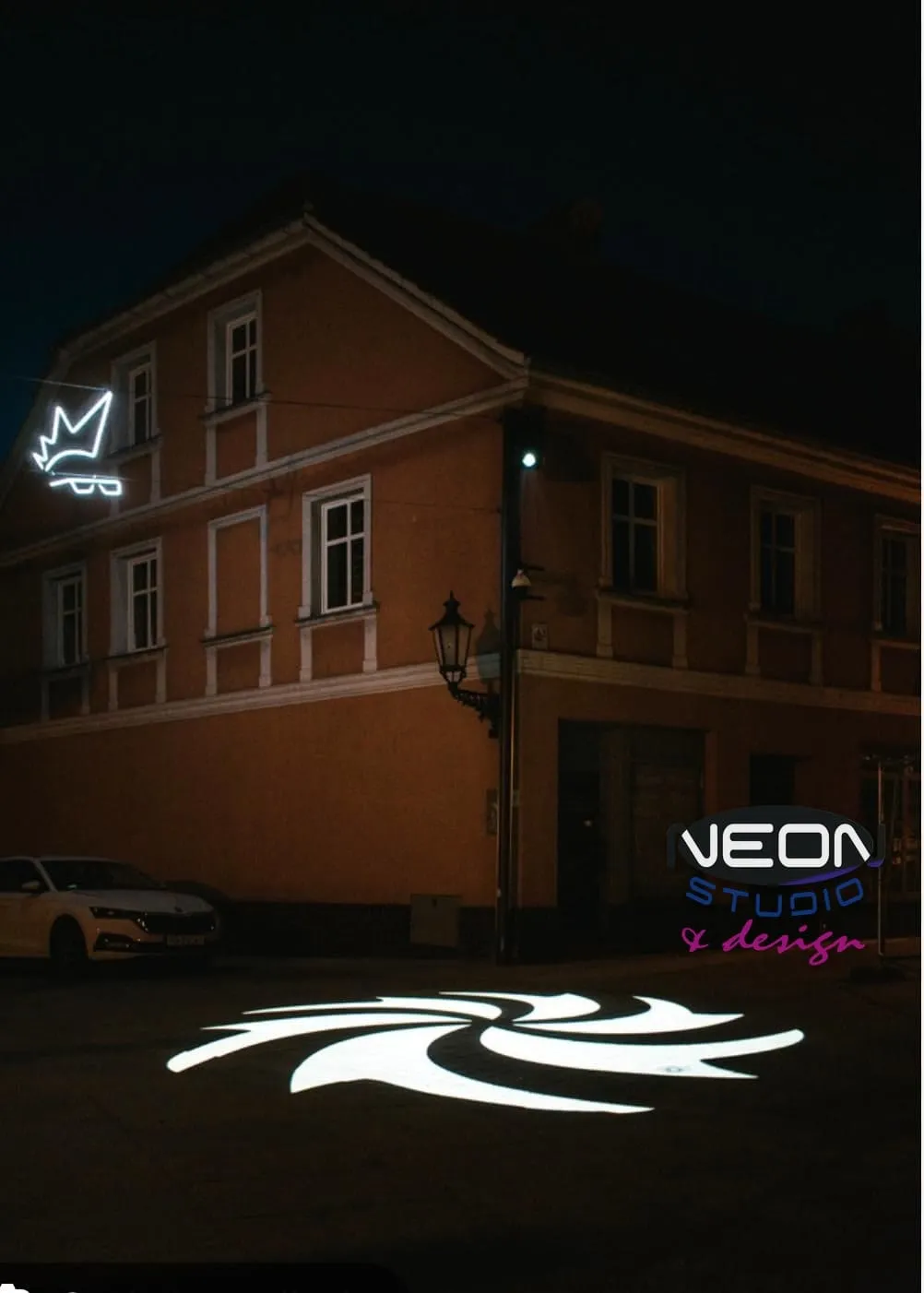
- —When the piece will hang outdoors — glass neons work outside a building too.
- —When the piece should last for years while keeping its full colour.
- —When you want the real thing rather than an imitation — that glow cannot be faked.
When to choose LED neon
LED neon is a cheaper alternative to glass neon, and we recommend it for indoor use only. It is a substitute product: it matches neither the aesthetics nor the durability of glass, and it carries a shorter warranty. It does have real advantages — lower cost, quick delivery, energy-efficient low-voltage power and a wide range of ready-made glow colours.
- —When the budget is limited and the result has to be ready quickly.
- —When the neon will hang indoors — a reception, a venue, an office or a home.
- —When you want a specific glow colour from a ready-made palette.
- —When the wording is long or complex and executing it in glass would be disproportionate.
Already have a project in mind?
Get a free quoteImportant: we do not recommend LED neon outdoors
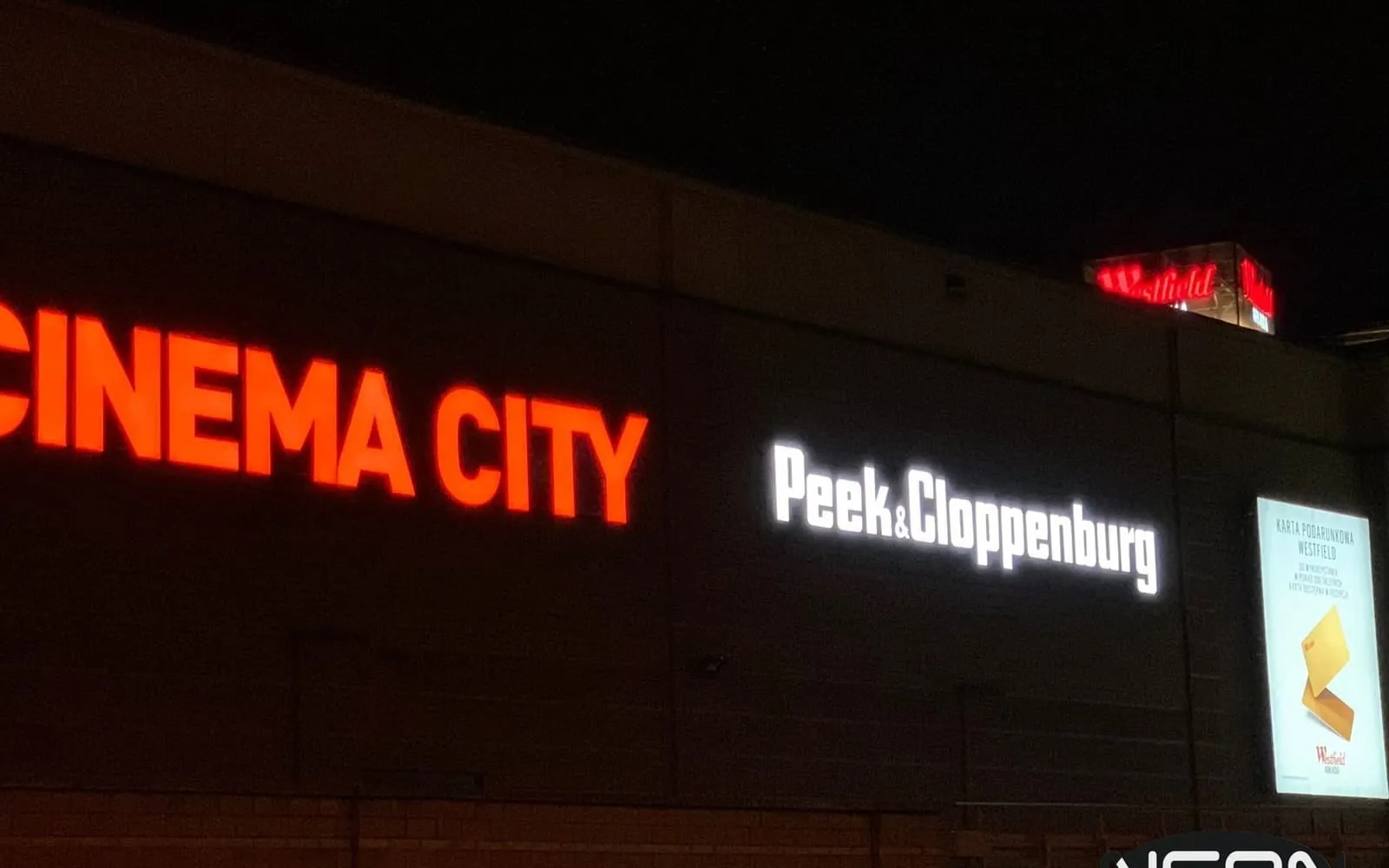
This is the most common misunderstanding when choosing. LED neons are not suitable for outdoor use and we do not recommend them there — so for a facade, a sign above an entrance or anything exposed to rain and frost we propose glass neon or a different solution, such as illuminated 3D letters or a lightbox.
If you come across a cheap LED neon offered for a facade, it is worth asking about the warranty and about how it will hold up through a winter.
What photographs do not show
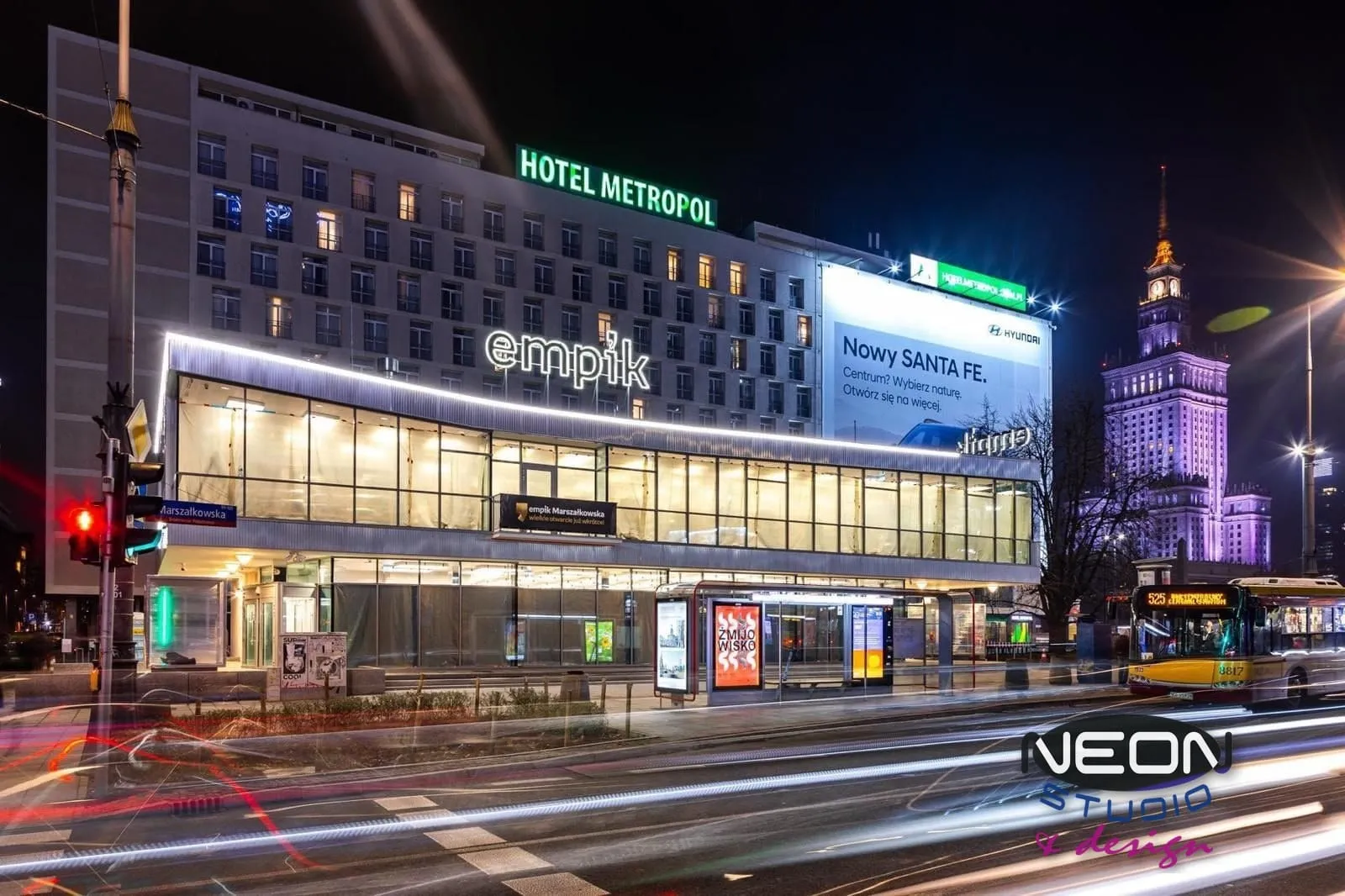
In photographs the two technologies look more alike than they do in person — which is why it is worth seeing them with your own eyes rather than only on a screen. Clients who want to see how a neon is made are welcome in our workshop.
The second thing worth remembering: glass neon is craftsmanship made to a specific order. You do not buy it off a shelf and it is not made in a day. If your deadline is fixed, say so at the very start of the conversation — it is often the deadline that settles the choice of technology.
The short version
Outdoors — glass neon. Indoors, where the neon should build brand prestige and last for years — glass again. Indoors, where the budget is limited and the piece has to be ready quickly — LED. In many projects the two sit side by side anyway: a glass neon as the centrepiece, LED backlighting the 3D letters or the lightbox.
You do not have to settle this alone. Describe the space, the wording and a rough budget — we will advise which solution fits, including when the answer is the cheaper LED.
| Glass neon | LED neon | |
|---|---|---|
| How it is made | Tube bent by hand, filled with noble gas | Strip of diodes under a diffuser |
| The light | Deep glow with a halo around the tube | Even and flat |
| Outdoors | Yes — exceptionally durable | Not recommended |
| Price | A top-shelf product | The affordable alternative |
| Lead time | Craftsmanship made to order | Faster |
| Warranty | Longer | Shorter |
Frequently asked questions
- Is glass neon suitable for outdoor use?
- Yes. Glass neons are exceptionally durable and work outdoors as well. We make them both as exterior signage and as interior decoration.
- Does LED neon look like glass neon?
- No. LED neon imitates the effect of traditional neon, but it matches neither its aesthetics nor its durability. LED lights evenly and flatly, while glass gives a deeper glow with a characteristic halo around the tube.
- Can LED neon be installed outdoors?
- We do not recommend it. LED neons are not suitable for outdoor use — we recommend them for interiors only. For a facade, glass neon, 3D letters or a lightbox is the better choice.
- Which neon is cheaper?
- LED neon. It is an affordable alternative to glass neon, recommended for interiors. Glass neon is a top-shelf product, hand-made to order and covered by a longer warranty.
- Can a neon be made from my logo?
- Yes. Every project is prepared individually — from your logo or wording we prepare a design, a visualisation and a quote. A vector file is ideal, but a photo is enough to start.
- How much does a neon cost?
- The price depends on the technology, the dimensions, the number of characters and the installation, so we quote every project separately. The quote is free — just describe what you need and where it will hang.